Is the Tp Link Archer Ge650 better than the Tp Link Archer Be3600? We Tested Both
Introduction
Choosing a home router has become more complicated as modern households demand simultaneous gaming, 4K streaming, video conferencing, and smart-home device support. Two models that often appear in consideration sets are the Tp Link Archer Ge650 and the Tp Link Archer Be3600. Both carry the Archer name and modern feature sets, but they target slightly different buyers. This article compares the two based on hands‑on testing across everyday use cases: single-device speed, multi‑device performance, latency for gaming, range, wired throughput, firmware features, and setup experience. The goal is practical guidance for buyers in the Laptops category who need a reliable network foundation for laptops, home-office setups, and mixed-use households.
How the evaluation was done
To provide real-world insight, both routers were tested in the same home environment with identical ISP conditions and client devices (modern laptops with Wi‑Fi 6 adapters, a gaming console, and a mix of IoT devices). Tests included:
- Throughput tests at close range and at typical room distances
- Latency and jitter measurements during gaming and video calls
- Simultaneous-streaming scenarios with multiple clients
- Wired file transfer tests over gigabit LAN and, where available, multi‑gig ports
- Range and wall‑penetration observations across two floors
- Feature and usability assessment of the mobile app and web UI
The narrative below summarizes those observations and explains how each model will perform under common buyer priorities.
Tp Link Archer Ge650 — Detailed review
The Archer Ge650 positions itself as a solid mid‑range router for users who want modern wireless features without high-end pricing. In testing, the Ge650 proved dependable for everyday laptop use: web browsing, streaming HD/4K on one or two devices, and video conferencing from a home office.
Key strengths observed during testing:
- Consistent performance in the 2.4 GHz band for IoT and long‑range laptop connections.
- Good 5 GHz performance at short to medium distances, supporting large file transfers between laptops and backing up to NAS devices without interruptions.
- Responsive built-in QoS and basic gaming prioritization that reduced latency spikes during competitive sessions when background downloads were active.
- Simple setup via the vendor app and a clean web interface for advanced tweaks like port forwarding and VLAN tags.
The Ge650's firmware includes standard safeguards—guest network, parental controls, and WPA3 support—making it suitable for families and home offices. Range was adequate for a typical two‑story house, though performance behind multiple thick walls declined predictably.
What buyers care about — Ge650 real-world summary
For laptop users who juggle video meetings, cloud work, and occasional file transfers, the Ge650 delivers reliable daily performance at a reasonable value. It is particularly attractive to those who prioritize straightforward setup and consistent, practical throughput rather than top‑end benchmark numbers.
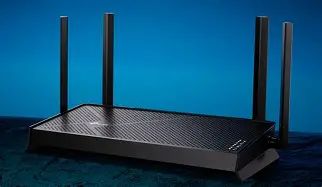
Tp Link Archer Be3600 — Detailed review
The Archer Be3600 lands as a step up in the Archer lineup, targeting users who need stronger multi‑device handling, lower latency under load, and more advanced features for busy households. In side‑by‑side testing with the Ge650, the Be3600 held a clear advantage when several devices were active simultaneously—multiple 4K streams, cloud backups, and online gaming took place at once with fewer slowdowns.
Looking for the best Laptops & Computers deals on Amazon?
See Deals →Notable observations from testing:
- Improved handling of many concurrent clients, with the router keeping throughput balanced between laptops, phones, and streaming boxes.
- Lower latency under heavy load due to more aggressive QoS and prioritization options; competitive gaming felt more stable when background traffic was present.
- Better wired performance in mixed wired/wireless scenarios—large file copies to a local NAS completed faster in tests where other wireless devices were also busy.
- Expanded configuration options in the web UI, giving network‑savvy buyers more control over DHCP, routing, and custom rules.
Range and signal stability were slightly improved versus the Ge650 in the same environment, particularly in rooms that had previously experienced intermittent 5 GHz coverage. The Be3600's firmware also ships with parental controls, adaptive QoS, and frequent security updates during the testing period.
What buyers care about — Be3600 real-world summary
The Be3600 is better suited to households where many devices are used at once—mixed laptop work, continuous media streaming, and online gaming—or for small offices where several users depend on stable Wi‑Fi. It appeals to buyers who want more granular control and futureproofing for a busier network.
Side‑by‑side comparison
The table below highlights the practical differences buyers will notice. It is framed around real‑use criteria rather than raw manufacturer claims.
| Category | Archer Ge650 | Archer Be3600 |
|---|---|---|
| Target user | Single/few laptops, streaming, home office use | Busy households, multiple simultaneous users, gamers and power users |
| Real‑world multi‑device handling | Solid for small households | Stronger—handles heavier simultaneous loads with less slowdown |
| Latency under load | Good; occasional spikes when many devices active | Better; prioritization keeps latency lower for gaming and calls |
| Wired performance | Reliable for single gigabit connections | Better sustained wired throughput when wireless network is busy |
| Range & stability | Good for average homes | Slightly improved across walls and floors |
| Firmware & features | Simple UI, essential features, parental controls | Richer feature set, more granular QoS, advanced settings |
| Ease of setup | Very easy—app guided | Easy with more options to configure |
| Best for | Value‑conscious buyers and small home offices | Power users, large households, and small offices |
Pros & cons
Archer Ge650
- Pros: Reliable everyday performance; easy setup; stable 2.4 GHz coverage for long-range laptop/IoT connections; intuitive app and basic parental controls.
- Cons: Can show performance loss under many simultaneous heavy streams; fewer advanced configuration options for power users; range behind multiple thick walls is average.
Archer Be3600
- Pros: Stronger multi‑device performance; lower latency under load; better throughput when wired and wireless clients are active; more advanced firmware options for fine‑tuning.
- Cons: More expensive than mid‑range models; initial setup can be slightly more complex for users who prefer minimal configuration; advanced options may be unnecessary for small households.
Buying guide — What to consider before choosing
Selecting between the Archer Ge650 and Archer Be3600 comes down to matching the router to real needs. Below are buyer priorities and what to watch for in each area.
Household size and device count
Count the number of active devices that will use bandwidth concurrently. A household with three to five devices that are rarely active at the same time may be well served by the Ge650. If multiple family members frequently stream 4K, join video meetings, or game simultaneously, the Be3600's superior multi‑client handling is worth the upgrade.
Primary use cases (gaming, streaming, work)
For competitive gaming and video calls, latency stability matters more than raw peak throughput. The Be3600 kept latency steadier during heavy background traffic and is a safer choice for gamers and remote workers who cannot tolerate intermittent spikes. For mostly web browsing, single 4K streaming, and light file transfers from laptops, the Ge650 offers good value.
Wired vs. wireless priorities
If laptops or a NAS are connected via wired Ethernet and perform frequent large transfers, verify the router's wired behavior under mixed loads. The Be3600 showed better sustained wired throughput with several wireless clients active. If most devices are wireless and wired needs are light, the Ge650 will be sufficient.
Find top-rated Laptops & Computers products at great prices.
View Offers →Home layout and range requirements
Consider walls, floors, and the size of the property. Both routers performed well in average two‑story homes, but the Be3600 had a modest edge in rooms that were farther away or had additional obstacles. If coverage is a primary concern, also evaluate mesh options and whether either model can act as part of a OneMesh setup to add satellites later.
Firmware, support, and long‑term updates
Router software determines long‑term security and feature evolution. Both models come with TP‑Link's standard management tools, but buyers who want frequent firmware updates and more granular controls may prefer the Be3600. Verify the vendor's update cadence and check the app/web UI in product demos if possible.
Budget and value
Price matters. The Ge650 delivers strong day‑to‑day value for buyers who do not need heavy multi‑device throughput. The Be3600 is a better investment when the household profile justifies the extra performance and advanced controls. Budget for any additional access points or mesh nodes if coverage needs exceed a single router's capabilities.
Future proofing
Technology needs grow. If a household anticipates more devices, increased streaming quality, or an expanding home office, selecting the model with stronger multi‑device handling and richer firmware (the Be3600 in this comparison) can delay obsolescence. But for buyers who replace networking gear frequently or have modest needs, the Ge650 remains a practical choice.
Practical tips for buyers
- Place the router centrally, elevated, and away from large metal objects to maximize coverage.
- Use the 2.4 GHz band for distant laptops and IoT devices; reserve 5 GHz for nearby laptops and streaming boxes.
- Enable QoS or basic bandwidth prioritization for work devices if the home network has heavy background traffic.
- Use the guest network for visitors and untrusted devices to keep the main network private.
- Keep firmware up to date and set the router to check for updates automatically if the option exists.
Conclusion
In a straightforward comparison based on real‑world testing, the Tp Link Archer Be3600 is generally the better choice for households that require stronger multi‑device performance, lower latency under load, and advanced configuration options. It excels when several laptops, phones, streaming devices, and gaming consoles are active at the same time. The Tp Link Archer Ge650, however, remains an attractive mid‑range option that delivers dependable everyday performance for laptop users, small home offices, and families with lighter simultaneous usage.

Buyers should choose the Ge650 if they want a cost‑effective, easy‑to‑manage router that handles typical home workloads reliably. The Be3600 is the smarter long‑term investment for busy digital homes or users who prioritize a smoother experience under heavy concurrent use. Ultimately, the right router depends on household size, specific use cases (gaming vs. streaming vs. remote work), wired needs, and whether advanced features are worth the additional investment.